

UNLOCKING INVISIBLE INSIGHTS

THERMAL IMAGING

In the world of technology and diagnostics, thermal imaging plays a crucial role in uncovering valuable insights that are otherwise invisible to the naked eye. We provide advanced thermal imaging solutions that empower companies across various industries to detect, analyse, and mitigate potential issues with precision and accuracy.

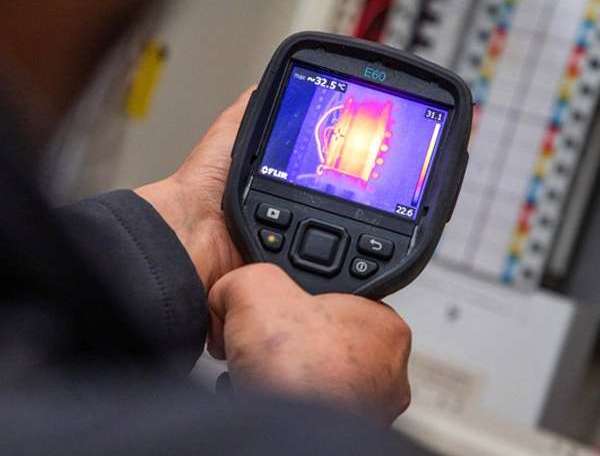
Thermal imaging, also known as infrared thermography, utilises advanced infrared cameras to capture and analyse the thermal patterns emitted by objects and environments. By detecting variations in temperature, thermal imaging allows for non-contact and non-destructive evaluation of systems, equipment, and structures. It serves as a powerful tool for identifying anomalies, detecting energy inefficiencies, and enhancing safety in diverse applications.

01.

inspections & evaluations

We conduct thorough thermal inspections and evaluations of electrical systems, mechanical equipment, buildings, and other assets. Our team utilises state-of-the-art infrared cameras to identify potential hotspots, abnormal heat patterns, and hidden issues that may lead to malfunctions or failures.

02.

electrical system analysis

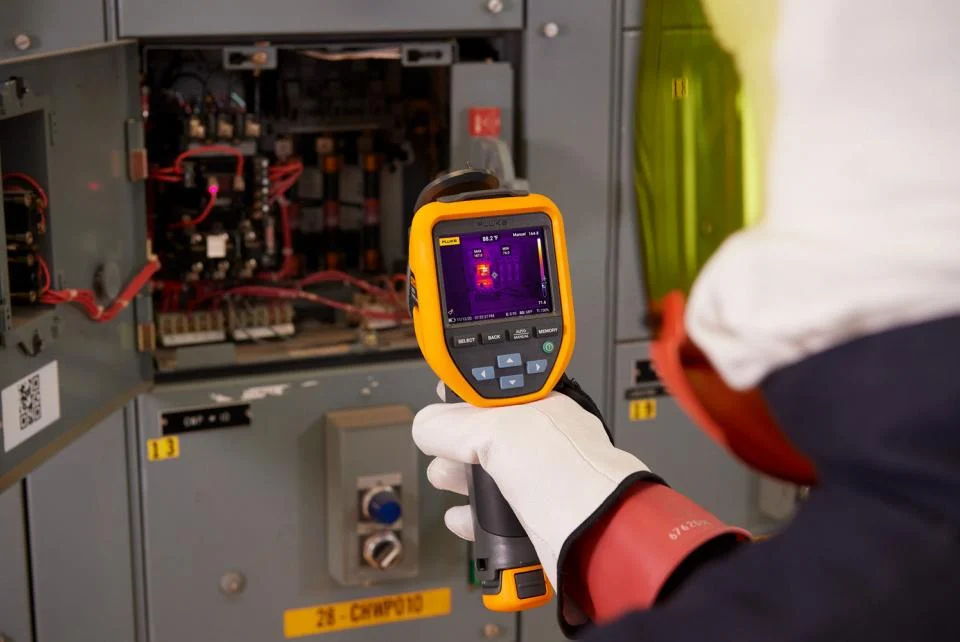
We perform detailed thermal inspections of electrical systems, including switchgear, distribution boards, motors, and control panels. Our thermal imaging techniques identify electrical faults such as loose connections, overloaded circuits, and faulty components, enabling proactive maintenance and reducing the risk of electrical fires.

03.

mechanical equipment monitoring

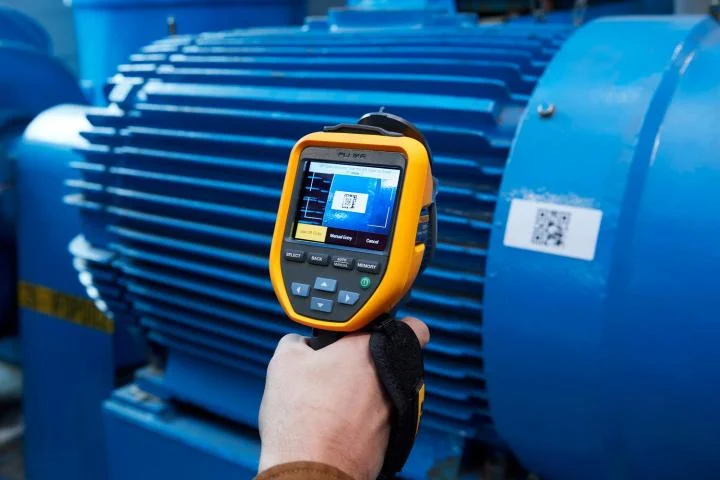
Our thermal imaging services extend to the monitoring and analysis of mechanical equipment, such as motors, pumps, bearings, and HVAC systems. By detecting abnormal temperature variations and identifying potential equipment failures, we help optimise maintenance schedules, improve operational efficiency, and minimise downtime.

04.

energy audits

We provide thermal energy audits to help you optimise energy consumption and reduce operational costs. Our thermal imaging assessments identify areas of energy loss, inefficient equipment, and insulation gaps, enabling targeted energy-saving strategies and sustainable practices.